




Dirty Diesel, Rising Regens: The Real Consequences
How Australia’s Fuel Shift Is Affecting Engines, Emissions and AdBlue
Australia’s temporary move to higher sulphur diesel may keep freight moving, but inside modern common-rail engines the effects are real. From rising regeneration cycles and subtle emissions changes to increased AdBlue consumption and long-term wear, the shift is a timely reminder that today’s trucks and tow vehicles are engineering masterpieces right up until you start feeding them fuel that belongs in a museum display marked Things We Thought Were a Good Idea in 1987.

A detailed injector report often reveals problems long before they are noticeable behind the wheel.
There is an old rule in trucking that still holds true. A diesel engine will forgive you for a lot of things, but it will never forgive bad fuel. Right now that truth feels particularly relevant, because Australia’s temporary move to allow higher sulphur diesel into the market is less about politics and more about what happens inside a modern engine working hard somewhere between Port Augusta and the Pilbara while Canberra more or less shrugs and says, well, it will probably be fine.
On the surface, the decision makes sense. Supply tightens, freight must keep moving and flexibility in fuel standards becomes part of the solution. Fair enough. Nobody wants supermarket shelves empty and linehaul parked up because the country has run short of decent diesel. But modern heavy-duty engines are not built around flexibility. They are built around consistency. They are precise, highly strung, astonishingly clever machines with tolerances measured in microns, not old farm utes that will happily run on swamp water, stale kero and blind optimism.
Today’s PACCAR, Scania, Mercedes-Benz, Volvo, Iveco, Cummins and Detroit platforms operate at extraordinary high injection pressures. The fuel itself provides lubrication to the pump and injectors, supports precise atomisation and underpins the calibration of emissions systems that rely on predictable combustion chemistry. Change that chemistry, even slightly, and the system adapts, though not without consequence. In much the same way a man adapts to wearing shoes half a size too small. He copes, but he does not enjoy it.

Modern common-rail injector testing helps identify fuel-related performance issues early, before they turn into expensive repairs.
Dirty Fuel
The phrase dirty fuel often gets thrown around loosely, but in practical terms the issue is not just sulphur. The temporary increase from ultra-low sulphur levels to higher permissible limits does not suddenly grenade engines overnight, despite what the more excitable corners of the internet might suggest. What it does do is alter combustion behaviour. Higher sulphur contributes to increased particulate formation, which leads directly to faster diesel particulate filter loading and more frequent regeneration cycles. Operators rarely see visible smoke because modern engines are incredibly good at hiding their discomfort, but they do notice rising exhaust temperatures, more regens and slightly worse fuel burn. In other words, the truck still smiles politely while quietly developing a more expensive lifestyle.
The bigger concern sits beyond sulphur itself. Variability in fuel blends and the increased risk of contamination present the real threat. Emergency supply conditions can introduce fluctuations in lubricity, density and additive packages. More importantly, contamination from water ingress, microbial growth and fine particulates becomes more likely during transport and storage. These are the things that quietly damage injectors and high-pressure pumps, often long before there is any dramatic failure. Bad fuel is rarely theatrical. It is more like termites in a timber frame. By the time you notice it properly, the damage is already halfway through the building.
Inside the engine, the effects show up gradually. Injectors exposed to marginal fuel begin to wear at the needle and seat, leading to poor atomisation and inconsistent fuelling. Exhaust gas temperatures rise, soot production increases and fuel consumption creeps upward. Once this wear begins, it accelerates. High-pressure pumps face similar challenges. These systems rely on fuel as a lubricant, so reduced lubricity or contamination can lead to internal scoring and metal shedding that contaminates the entire fuel system. At that point the repair bill moves well beyond a simple component replacement and into the sort of number that can ruin a perfectly good afternoon.

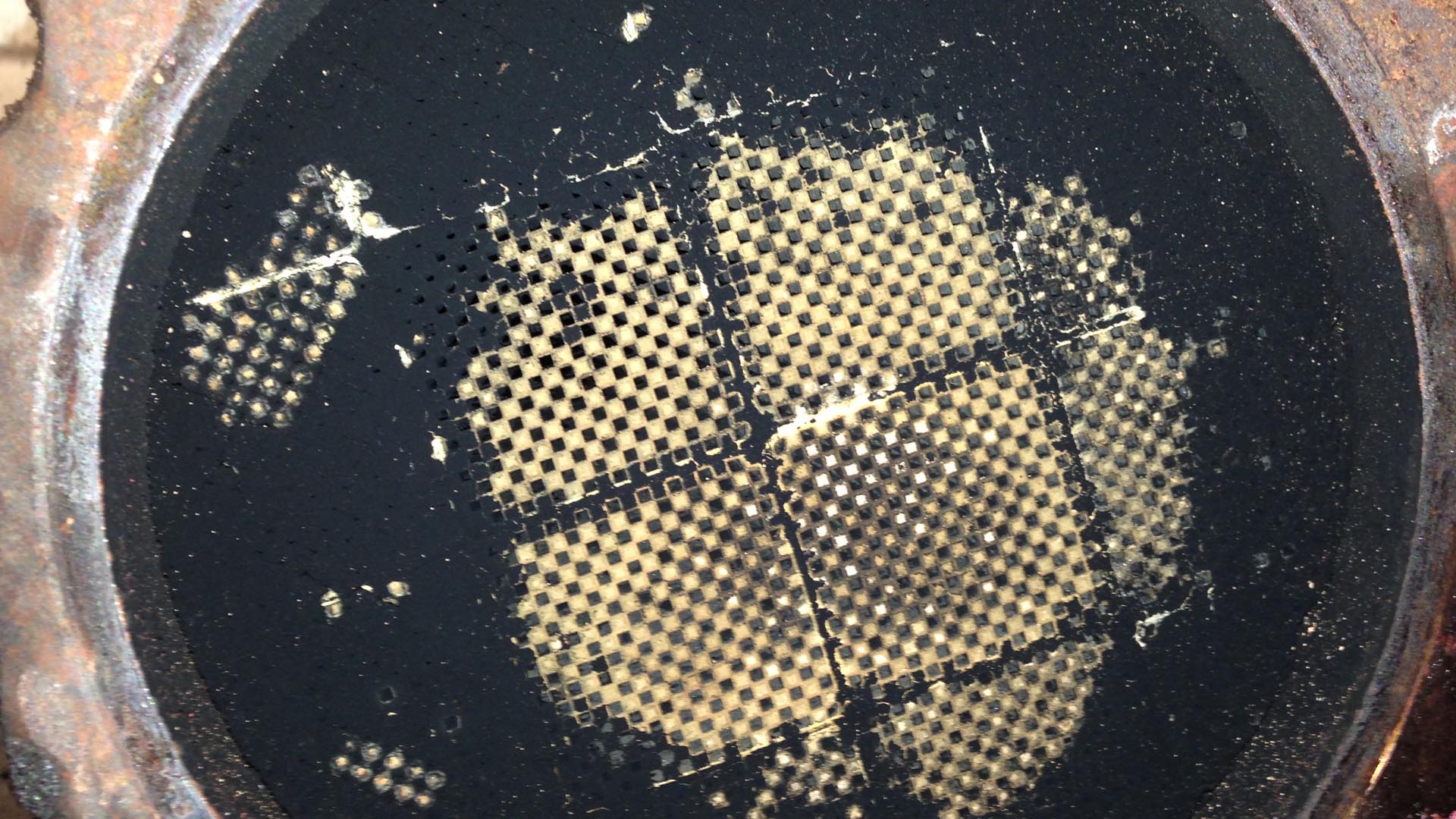
A clogged DPF is often the result of repeated interrupted regens, sustained low-speed operation or fuel-related particulate loading.
Increased Regeneration
The emissions story is where things become particularly interesting. Modern engines conceal changes well, but emissions do shift measurably. Particulate output generally rises, which explains the increased regeneration frequency operators report. Nitrogen oxide behaviour is more subtle. Combustion changes slightly with poorer fuel, and while SCR systems compensate effectively at first, efficiency can decline over time as contamination builds. Sulphur oxides unquestionably increase with higher sulphur fuel, though drivers rarely notice them directly. Over time the impact is felt through reduced catalyst efficiency and shortened aftertreatment life. Which is marvellous, really, because nothing says progress quite like saving the day with a fuel standard that slowly taxes the most expensive hardware on the truck.
This leads directly to the question operators are now asking. Does AdBlue usage increase? In many cases the answer is yes, though usually only slightly. Sulphur itself does not directly increase DEF consumption because SCR systems target NOx rather than sulphur compounds. The increase comes instead from small changes in combustion efficiency and from the rise in regeneration frequency. During active regens exhaust temperatures increase and NOx formation often rises, prompting higher DEF dosing. Most fleets see only a modest increase over time, though larger jumps typically indicate injector wear or declining SCR efficiency rather than fuel quality alone. Either way, it is yet another little operational cost added to the growing pile of things that were not supposed to be getting worse.
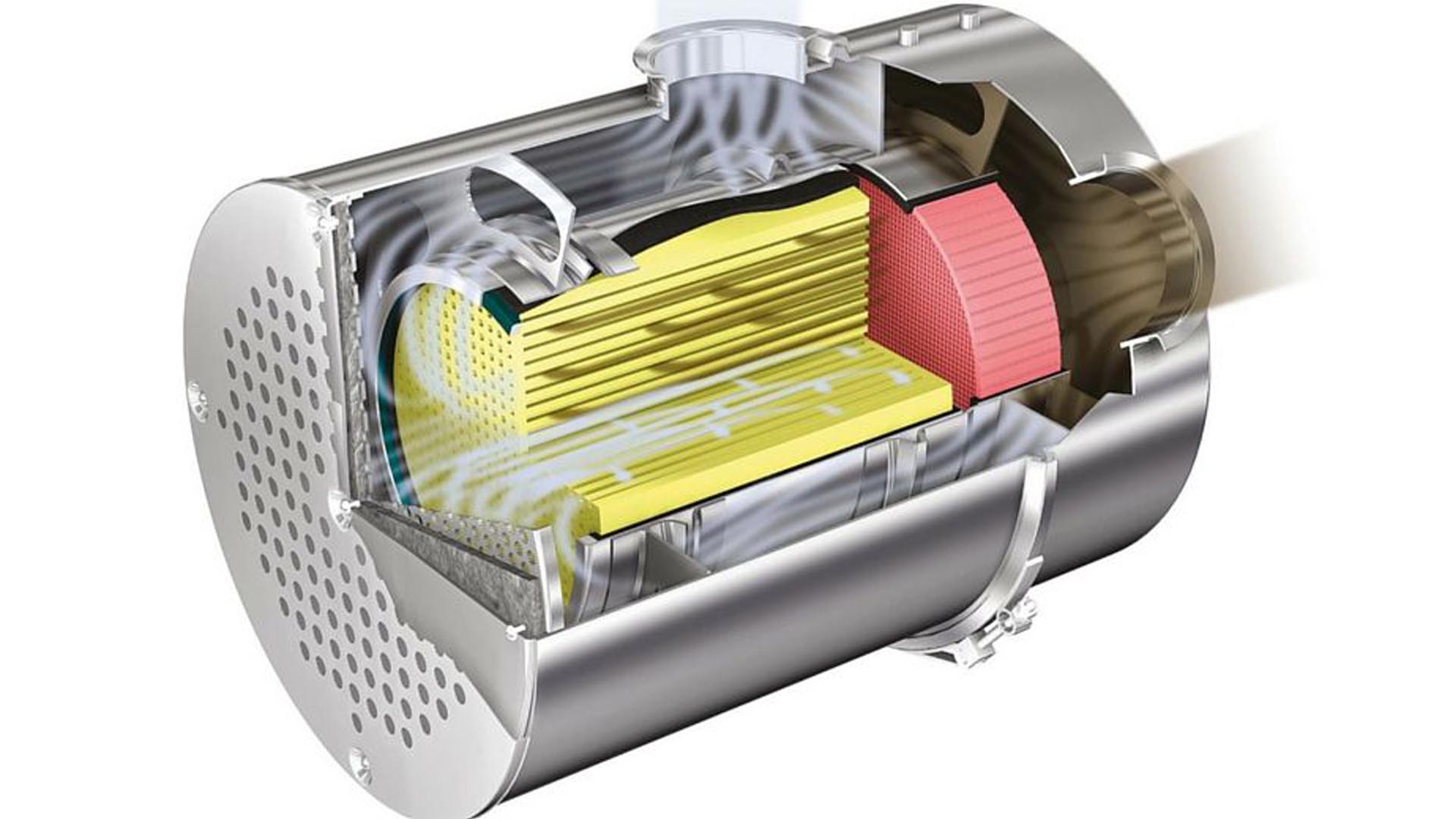
The aftertreatment system bears much of the stress during periods of marginal fuel quality. The diesel oxidation catalyst slowly loses efficiency as sulphur coats its surfaces. The particulate filter experiences more frequent thermal cycles and greater stress, which eventually shortens its service life. The SCR catalyst gradually loses effectiveness as contamination accumulates. These changes rarely appear suddenly. Instead they build quietly until the first fault code or derate brings them into focus, usually at the exact moment the truck is needed most and the workshop is least convenient.

A quality diesel pre-filter adds an extra layer of protection before fuel reaches sensitive high-pressure components.
Additional Filtration will Help
Operators often ask whether additional filtration will help. The answer is yes, but with limits. A proper pre-filter and water separator removes bulk particulates and free water before they reach the factory system, significantly reducing the risk of injector and pump damage. What it cannot do is change the fuel’s chemistry, remove sulphur or restore lost lubricity. It is a protective measure rather than a cure, though in remote operations it is essential insurance. Think of it as fitting a very good security door to a house in a bad neighbourhood. It will not improve the neighbourhood, but it may stop the worst of the mongrels getting inside.
In the real world the pattern during periods of poorer fuel quality is remarkably consistent. Workshops report more frequent filter changes, increased regeneration events, slightly higher DEF consumption and occasional rough running complaints. Visible smoke is rare because modern engines are designed to prevent it. The problems stay hidden until wear begins to affect performance or reliability. That is what makes this whole situation so deceptive. Nothing explodes, nothing catches fire and there is no dramatic mushroom cloud over the servo. Instead the cost arrives one service interval at a time.
There is another lever operators sometimes overlook during periods like this, and that is driver technique. While fuel quality sits outside anyone’s control, how the truck is driven does not. Smooth throttle inputs, progressive acceleration, sensible cruise speeds and better anticipation all help stabilise combustion and reduce unnecessary thermal load through the aftertreatment system. Drivers who avoid aggressive inputs, limit idle time and keep the engine working in its most efficient torque band tend to see fewer forced regens, steadier DEF consumption and better overall fuel economy, even when the fuel itself is less than ideal. In practical terms, targeted driver training during periods of inconsistent fuel quality is one of the simplest ways fleets can offset rising operating costs without touching the hardware, because right now the cheapest fuel-saving device in the country is still the nut behind the wheel.
 Contamination Risk is Higher
For operators the response is straightforward. Fit quality filtration, monitor service intervals closely and pay attention to trends rather than single readings. Watch regeneration frequency, DEF consumption and diagnostic data. Buy fuel from high-turnover locations wherever possible and avoid low-volume tanks where contamination risk is higher. Above all, stay alert to small changes because they usually signal the beginning of something larger.
Australia’s temporary fuel relaxation will likely pass without widespread failure. Most engines will continue working hard and doing what they were designed to do. But the lesson remains unchanged. Dirtier fuel does affect emissions output, AdBlue usage usually rises slightly and component wear accelerates quietly in the background. You will not see it in the mirrors. You will see it later, usually itemised in neat columns on an invoice that reads like a ransom note.
If there is one clear takeaway for operators right now, it is this. Start with filtration, but do not stop there. During periods of inconsistent fuel quality, the smartest fleets focus on both the hardware and the human element. A proper pre-filter and water separator fitted upstream of the factory system remains essential protection and should be monitored far more closely than usual. Where a pre-filter is already installed, service intervals should be shortened and elements changed at the first sign of restriction or contamination rather than stretched to the book figure. Where one is not fitted, now is the time to seriously consider it.
 Most Cost Effective
At the same time, investing in driver training may be the single most cost-effective move available. Smooth inputs, better anticipation and disciplined operating habits reduce unnecessary heat, stabilise combustion and ease the workload on aftertreatment systems already dealing with marginal fuel. In practical terms, fleets that pair good filtration with well-trained drivers will generally see fewer regens, steadier DEF consumption and better overall economy, even while the fuel itself is working against them.
Good filtration will not change fuel chemistry and it will not remove sulphur, but it will stop the contaminants that destroy injectors and pumps. Driver training will not fix bad fuel either, but it will limit how hard the engine has to fight it. Put the two together and most trucks will ride out the current conditions without drama. Ignore both and the consequences will eventually arrive, usually itemised neatly on an invoice that reads like a personal insult, because in trucking the cheapest fuel-saving technology still sits behind the wheel.
Because in trucking, bad fuel rarely stops you today. It sends the bill later.


